
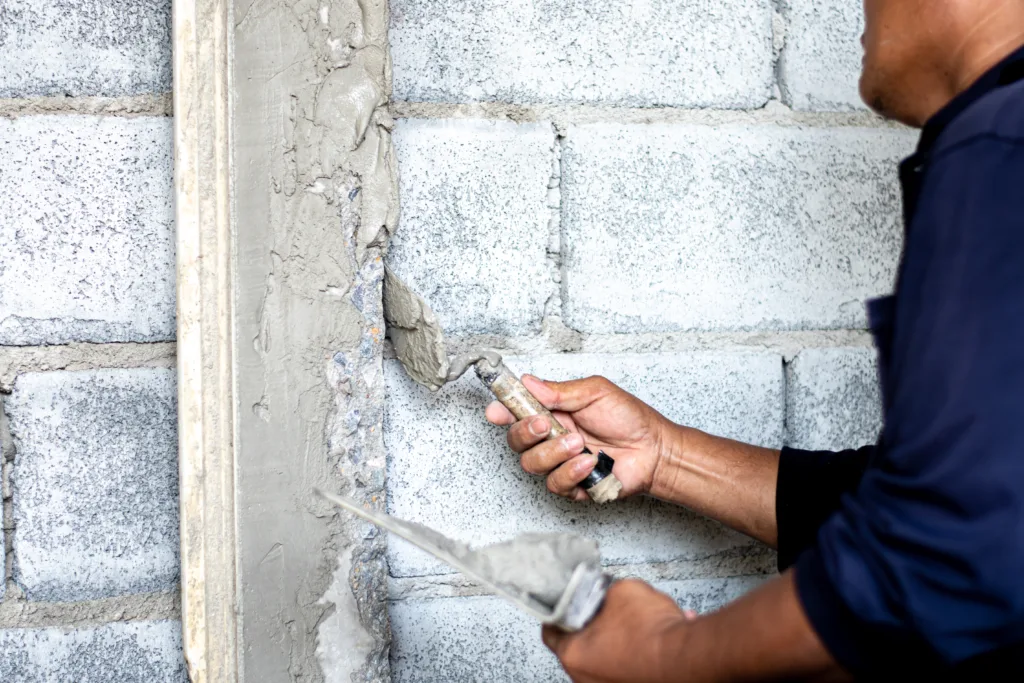
When a loved one passes away or a family property changes hands, the to-do list can feel overwhelming—especially when repairs are involved. Many Buckingham families find themselves asking the same question: how does the estate repair process work, and where do you even begin? Between emotional decisions, tight timelines, and unexpected property issues, it’s easy to feel stuck before the first repair ever starts.
Estate repair isn’t just about fixing what’s broken—it’s about protecting the value of the home, ensuring safety, and making smart choices during a sensitive time. Whether the goal is to prepare a property for sale, meet local requirements, or simply make the home functional again, understanding each step brings clarity and peace of mind.
How Does the Estate Repair Process Work?
For families navigating a property after a major life change, understanding how does the estate repair process work can make everything feel far more manageable. While every home and situation is unique, most estate repairs in Buckingham follow a clear, step-by-step path designed to reduce surprises and keep decisions organized.
Here’s what the process typically looks like from start to finish.
Initial Property Assessment
The first step in understanding how does the estate repair process work is a thorough property assessment. This involves walking through the home—sometimes with a contractor, estate manager, or trusted service provider—to identify visible issues and potential concerns. These may include structural damage, outdated systems, safety hazards, or deferred maintenance that occurred over the years.
In Buckingham, many estate homes are older properties, so inspections often uncover aging plumbing, electrical concerns, roof wear, or moisture damage. The goal of this assessment isn’t to fix everything immediately, but to create a clear, prioritized picture of what the home truly needs.
Prioritizing Urgent Repairs
Once the assessment is complete, the next phase of how does the estate repair process work focuses on prioritization. Not all repairs are created equal. Safety-related issues—such as faulty wiring, unstable stairs, mold, or roof leaks—usually come first.
Urgent repairs protect the property from further damage and ensure the home is safe for visitors, workers, or potential buyers. In estate repair in Buckingham, addressing these issues early can also prevent delays with inspections or real estate transactions down the line.
Obtaining Estimates and Approvals
After priorities are established, contractors are brought in to provide repair estimates. This step is critical to how does the estate repair process work, especially when multiple heirs, executors, or legal requirements are involved.
Written estimates allow families to compare costs, set realistic budgets, and gain necessary approvals before work begins. Transparency here avoids misunderstandings later and helps keep the estate on track financially. Many families in Buckingham appreciate having one point of contact to coordinate these details, especially when time or distance is a challenge.
Completing Repairs and Documentation
The final step in how does the estate repair process work is completing the repairs and keeping proper documentation. Repairs may be completed all at once or in stages, depending on urgency and budget. Throughout the process, invoices, permits, and inspection reports should be saved for estate records or future buyers.
Clear documentation not only protects the estate legally but also provides peace of mind that the work was done correctly. For families managing estate repair in Buckingham, having everything organized and documented makes the transition smoother—whether the next step is selling the home, renting it, or keeping it in the family.
Understanding this process helps take the guesswork out of estate repairs and gives families confidence at every stage.
Common Types of Estate Repairs in Buckingham
Once the process is underway, families often discover that estate repairs fall into a few familiar categories. Knowing what types of repairs are most common can help set expectations, reduce stress, and make planning easier—especially when decisions need to be made quickly.
Structural and Safety Repairs
Structural and safety-related repairs are often the highest priority in an estate situation. These issues can affect whether a home is safe to enter, insure, or sell. Common examples include roof damage, foundation cracks, unstable decks or staircases, outdated electrical panels, and plumbing leaks.
In older homes, it’s not unusual to uncover hidden concerns that weren’t obvious at first glance. Addressing these repairs early protects the property from further deterioration and helps avoid complications during inspections or real estate listings.
Cosmetic Updates Before Sale
Cosmetic repairs may not be urgent, but they can make a significant difference in a home’s appeal and value. Fresh paint, flooring replacement, drywall patching, updated lighting, and minor kitchen or bathroom improvements often fall into this category.
For families planning to sell, these updates can help the home show better and attract stronger offers without requiring a full renovation. Even simple improvements can make a space feel cleaner, brighter, and more inviting to potential buyers.
Code Compliance and Inspections
Many estates require repairs to meet local building codes before a property can be sold or transferred. These may involve smoke detectors, handrails, electrical updates, or plumbing adjustments. If permits were never pulled for past work, inspections may also reveal compliance issues that need correction.
Staying ahead of these requirements helps prevent delays and ensures the property meets local standards. Having professionals familiar with local regulations can save time and reduce frustration during this stage.
Exterior and Landscaping Repairs
Exterior repairs are often overlooked but play a major role in first impressions and property value. Common exterior needs include siding repairs, gutter replacement, roof maintenance, driveway fixes, and basic landscaping cleanup.
Overgrown yards, damaged fencing, or neglected walkways can signal deferred maintenance—even if the interior is in good shape. Taking care of these exterior details helps present the property as well-maintained and ready for its next chapter.
How Long Does the Estate Repair Process Take?
One of the most common questions families ask after learning how does the estate repair process work is how long everything will actually take. The honest answer is: it depends. The timeline can vary widely based on the condition of the home, the scope of repairs, and how quickly decisions and approvals are made.
For smaller estates with minor repairs—such as basic safety fixes and cosmetic touch-ups—the process may take just a few weeks. Larger homes or properties with structural issues, outdated systems, or inspection requirements can take several months from assessment to completion.
Other factors that affect timing include contractor availability, permit approvals, weather conditions, and whether multiple heirs are involved in decision-making. Understanding how does the estate repair process work helps families set realistic expectations and avoid unnecessary stress when timelines shift. The key is planning ahead and tackling the most critical repairs first so progress continues, even if everything can’t be done at once.
Tips to Make the Estate Repair Process Smoother
Even with a solid understanding of how does the estate repair process work, estate repairs can still feel overwhelming. These practical tips can help keep things moving efficiently while reducing emotional and logistical strain.
1. Start with a clear plan
Before any work begins, outline the goals for the property. Is the home being sold, rented, or kept in the family? Having a clear end goal makes repair decisions faster and more focused.
2. Address safety issues first
Always prioritize repairs that impact safety or could cause further damage. This approach aligns with how does the estate repair process work in real life and prevents costly problems later.
3. Keep communication organized
Designate one point of contact to communicate with contractors, family members, and service providers. Clear communication avoids delays and confusion, especially when multiple people are involved.
4. Don’t over-improve the property
It’s tempting to fix everything, but not all repairs provide a strong return on investment. Focus on necessary updates rather than full renovations unless they align with your goals.
5. Work with professionals you trust
Choosing experienced, local professionals who understand estate situations can make all the difference. When everyone involved understands how does the estate repair process work, the experience becomes far less stressful.
Need Help With Estate Repair in Buckingham? We’ve Got You Covered
If managing repairs feels like too much on top of everything else, you don’t have to handle it alone. At Clean Estates, we help families navigate estate transitions with care, clarity, and efficiency. From cleanouts and hauling to coordinating next steps, we understand the emotional and practical challenges involved in estate repair in Buckingham, PA.
Our team is local, professional, and respectful of your time and your property. We simplify the process so you can focus on what matters most—without feeling overwhelmed or rushed.
If you’re facing an estate situation and need reliable support for estate repair in Buckingham, reach out to Clean Estates today. We’re here to help you move forward with confidence, compassion, and a plan you can trust.