
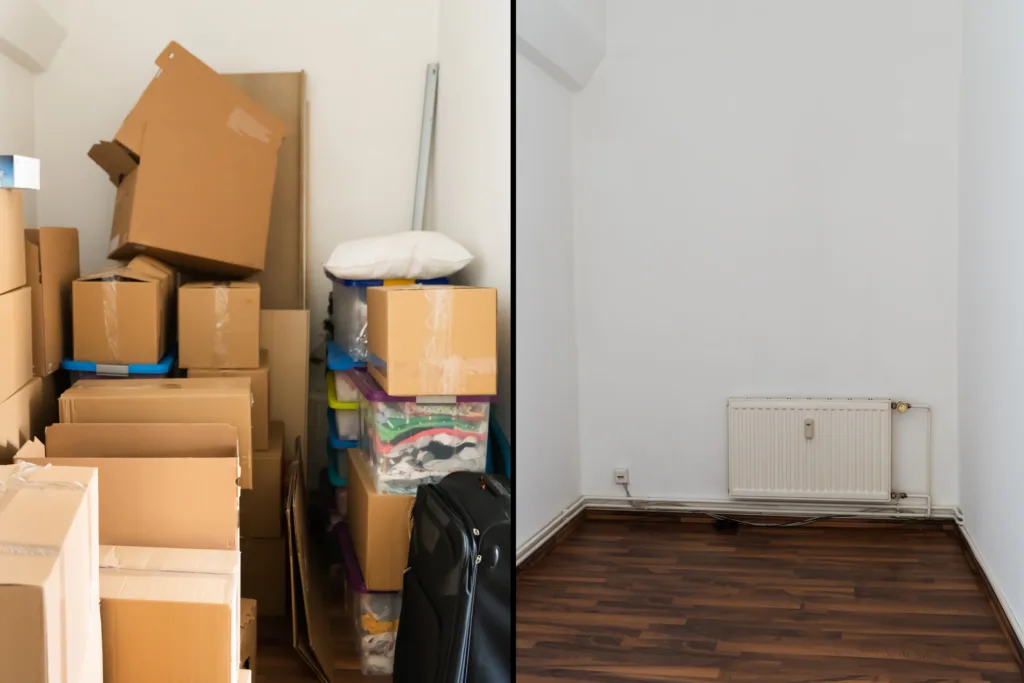
Handling an estate cleanout can feel overwhelming—especially when you’re dealing with a major life transition. Whether you’re clearing out a loved one’s home, preparing a property for sale, or simply trying to reclaim space, knowing where to start isn’t always easy.
That’s where a clear estate cleanout checklists makes all the difference. Instead of second-guessing every item, you can move forward with a simple plan that helps you decide what to keep, what to donate, and what to remove.
The goal isn’t perfection—it’s progress. With the right approach, you can sort through belongings efficiently while still treating the process with care and respect.
What to Do Before Starting an Estate Cleanout
Before you start removing items, it’s important to slow down and set a clear foundation. A well-planned approach makes your estate cleanout checklists much easier to follow—and helps you avoid costly or emotional mistakes along the way.
This stage is all about preparation. Taking a little extra time upfront can save you hours later and reduce stress throughout the entire process.
Secure Important Documents and Valuables
Start by identifying and setting aside anything that is legally or financially important. These items should never be accidentally donated or thrown away.
Look for:
- Birth certificates and Social Security cards
- Wills, trusts, and legal paperwork
- Bank statements, tax records, and insurance documents
- Jewelry, cash, and small valuables
As you go through your estate cleanout checklists, keep these items in a clearly labeled box or folder. It’s always better to double-check than risk losing something important.
Create a Simple Plan and Timeline
One of the biggest mistakes people make is trying to do everything at once. Instead, break the process into manageable steps.
For example:
- Day 1: Bedrooms and personal items
- Day 2: Kitchen and common areas
- Day 3: Garage, basement, or attic
This kind of structure keeps your estate cleanout checklists organized and prevents burnout. Even a basic plan gives you direction and helps you stay on track.
If you’re working under a deadline—like preparing a home for sale—this step becomes even more important.
Decide What You Can Handle vs. What You Need Help With
Be realistic about what you can take on yourself. Estate cleanouts often involve heavy lifting, large volumes of items, and tight timelines.
Ask yourself:
- Do I have the time to do this properly?
- Can I safely move large furniture or appliances?
- Do I have a way to haul everything away?
If the answer to any of these is “no,” it may be time to consider a professional estate cleanout service. Having experienced help can speed up the process and take a major weight off your shoulders.
At the end of the day, your estate cleanout checklists isn’t about doing everything alone—it’s about getting it done the right way, with as little stress as possible.
Estate Cleanout Checklists: What to Keep
One of the most difficult parts of any cleanout is deciding what should stay. When you’re working through an estate cleanout checklists, it’s easy to feel pressure to make quick decisions—but this is the stage where it’s worth slowing down.
The goal isn’t to keep everything. It’s to identify what truly matters—whether financially, legally, or emotionally—and set those items aside with confidence.
Personal and Sentimental Items
Start with the items that carry emotional value. These are often the hardest to sort through, so give yourself time and space to make thoughtful decisions.
This can include:
- Letters, journals, and handwritten notes
- Personal keepsakes and meaningful objects
- Items tied to important memories
As you go through your estate cleanout checklists, consider setting aside a “review box” for anything you’re unsure about. You can always come back to it later with a clearer mindset.
Legal, Financial, and Medical Documents
These are non-negotiable items that should always be kept and organized properly.
Look for:
- Wills, trusts, and estate documents
- Property records and titles
- Tax returns and financial statements
- Medical records and insurance information
Keeping these documents secure is a critical part of any estate cleanout checklists, especially if you’re handling responsibilities for a loved one’s estate.
Family Heirlooms and Photos
Certain items carry value beyond money—they represent family history.
This may include:
- Photo albums and loose photographs
- Jewelry passed down through generations
- Antiques or meaningful household items
When working through your estate cleanout checklists, it can help to involve family members in these decisions. What may seem like a small item to one person could hold deep meaning for someone else.
Taking the time to properly sort what to keep makes the rest of the process much easier. Once these important items are set aside, you can move forward with more clarity and less hesitation.
What to Donate During a House Cleanout
Once you’ve set aside what to keep, the next step in your estate cleanout checklists is identifying items that can be donated. This is a great way to give usable belongings a second life while reducing the amount of waste that needs to be removed.
Donating can also make the process feel more meaningful—knowing that items are going to someone who can actually use them.
Gently Used Furniture
Furniture in good condition is one of the most valuable categories for donation.
This can include:
- Sofas and chairs without major damage
- Dining tables and bedroom furniture
- Bookshelves, dressers, and desks
As you move through your estate cleanout checklists, ask: Would someone else be able to use this right away? If the answer is yes, it’s likely a great candidate for donation.
Clothing, Shoes, and Household Goods
Many everyday items can be donated as long as they’re clean and in usable condition.
Common examples:
- Clothing, coats, and shoes
- Kitchenware, dishes, and small appliances
- Linens, towels, and bedding
Sorting these items during your estate cleanout checklists helps separate what’s still useful from what truly needs to be removed.
Items in Good Condition That Others Can Use
Beyond the obvious categories, there are plenty of other items that donation centers will accept.
Think about:
- Home décor and decorations
- Books, toys, and games
- Office supplies and small electronics
If an item is functional and in decent shape, it likely belongs in the “donate” pile—not the trash.
Taking the time to donate where possible keeps your estate cleanout checklists efficient and responsible. It also reduces the volume of items that need hauling, which can save time and effort later on.
What to Throw Away or Remove
As you continue working through your estate cleanout checklists, this is where real progress starts to happen. Once you’ve set aside what to keep and donate, it becomes much easier to identify what truly needs to go.
This stage is about clearing out anything that’s no longer usable, safe, or worth keeping—so you can move forward with a clean, open space.
Broken or Damaged Furniture
Furniture that is worn out, broken, or no longer functional should be removed.
This includes:
- Couches with tears, stains, or structural damage
- Broken chairs or tables
- Water-damaged or mold-affected items
During your estate cleanout checklists, it’s important to be honest about condition. If it’s not usable, it’s time to let it go.
Old Appliances and Electronics
Outdated or non-working appliances often take up a lot of space and can be difficult to dispose of properly.
Common items:
- Refrigerators, ovens, and microwaves
- TVs, computers, and printers
- Small appliances that no longer work
A professional estate cleanout service can help handle these items safely and ensure they’re disposed of or recycled when possible.
General Household Clutter and Junk
This is where most of the volume comes from.
You’ll likely come across:
- Boxes of miscellaneous items
- Old decorations or unused household goods
- Items stored away in closets, basements, or attics
As you move through your estate cleanout checklists, don’t overthink these categories. If it hasn’t been used in years and holds no real value, it’s okay to remove it.
Items That Can’t Be Donated
Not everything qualifies for donation—and that’s okay.
These items typically include:
- Heavily worn clothing or linens
- Broken household goods
- Expired or unusable items
Removing these items is a key step in completing your estate cleanout checklists efficiently. It clears the way for a final, thorough cleanout without unnecessary clutter left behind.
What Items Are Removed During a House Cleanout
As you near the end of your estate cleanout checklists, you might be wondering what actually gets taken during the final cleanout. The good news is—almost everything non-hazardous can be removed, especially when working with a professional estate cleanout service.
This step is where the heavy lifting happens. Instead of worrying about how to move large or bulky items, you can focus on wrapping up the process while everything else gets cleared out quickly and efficiently.
Here’s what is typically removed during a house cleanout:
- Furniture, mattresses, and bulky items
- Garage, attic, and basement clutter
- Yard debris and non-hazardous waste
A reliable estate cleanout service will handle all of this for you—so you don’t need to drag items to the curb or figure out disposal on your own. It’s all part of making your estate cleanout checklists simple and stress-free from start to finish.
Make Your Estate Cleanout Simple and Stress-Free
An estate cleanout doesn’t have to be overwhelming. With a clear estate cleanout checklist, you can move through the process step by step—keeping what matters, donating what you can, and removing what’s no longer needed.
But you don’t have to do it alone.
At Clean Estates, we understand that every cleanout comes with its own challenges—whether it’s time constraints, emotional stress, or just the physical workload. That’s why we offer a full-service estate cleanout service designed to make things easier on you.
We handle:
- Sorting and removal
- Heavy lifting and hauling
- Responsible disposal and donation
All you have to do is point us in the right direction.
We’re local, professional, and committed to treating your home with respect—because we know this isn’t just about clearing space, it’s about helping you move forward.
Ready to get started?
If you’re feeling overwhelmed or short on time, let us help. Contact Clean Estates today and see how simple your estate cleanout can be.