
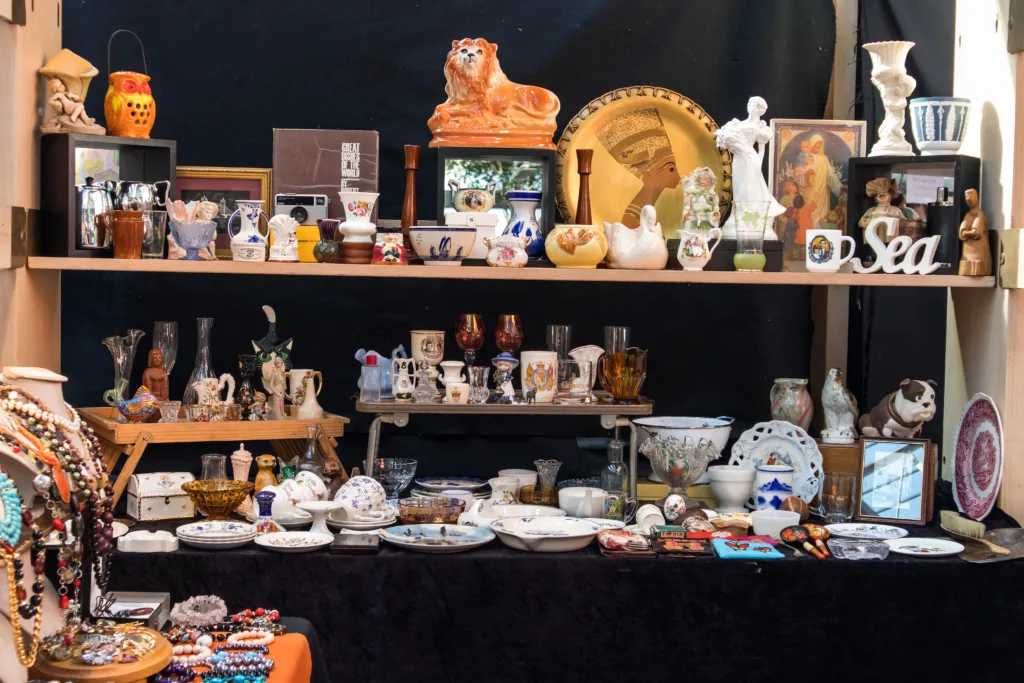
What to do with valuables during an estate cleanout is one of the most important decisions families face during the estate transition process. Whether you have inherited jewelry, antiques, artwork, coin collections, or other high-value items, knowing how to identify, protect, and properly handle these valuables can mean the difference between preserving thousands of dollars in assets and accidentally discarding or undervaluing them.
Identifying Valuables During an Estate Cleanout
The first step in knowing what to do with valuables during an estate cleanout is learning how to identify them. Many families are surprised to discover that items they considered ordinary are actually worth significant money, while items that appear valuable may have little market worth. A systematic approach to identification prevents costly mistakes.
Start by walking through every room of the home and looking for obvious high-value items: jewelry, watches, fine china, crystal, silverware, artwork, and collectibles. But do not stop there. Check inside books for hidden cash or documents. Look through filing cabinets for stock certificates, savings bonds, and insurance policies. Examine closets and storage areas for vintage clothing, designer items, and accessories that may have appreciated in value over the decades.
According to the American Society of Appraisers, many estates contain items that family members overlook, including first-edition books, rare stamps and coins, military memorabilia, vintage toys, and mid-century modern furniture. Having a professional appraiser conduct a walkthrough before beginning the cleanout can identify items worth thousands that might otherwise end up in the donation pile.
Securing Valuables Before the Cleanout Begins
Once you have identified the valuables in the estate, the next priority is securing them. This should happen before any cleanout work begins. Remove jewelry, cash, important documents, and small high-value items from the home and place them in a secure location such as a safe deposit box or a locked safe in a trusted family member’s home.
Create a detailed inventory of every valuable item, including photographs, descriptions, and estimated values. This documentation serves multiple purposes: it protects the executor from liability, provides a basis for equitable distribution among beneficiaries, and may be needed for estate tax purposes. Use a spreadsheet or inventory app to keep everything organized and accessible.
If you are wondering what to do with valuables during an estate cleanout that are too large to move, such as pianos, large artwork, or heavy antique furniture, consider having them professionally photographed and appraised in place. Mark these items clearly so that cleanout crews know not to remove them without explicit authorization from the executor.
Getting Professional Appraisals for Estate Valuables
Professional appraisals are essential for understanding what to do with valuables during an estate cleanout. A certified appraiser can tell you exactly what your items are worth in the current market, which helps you make informed decisions about whether to keep, sell, donate, or distribute specific pieces to beneficiaries.
For jewelry and watches, seek an appraiser certified by the Gemological Institute of America. For fine art, look for appraisers accredited by the American Society of Appraisers or the Appraisers Association of America. For antiques and collectibles, a certified personal property appraiser can evaluate a wide range of items. Many appraisers offer estate-specific services where they will come to the home and evaluate everything in a single visit.
Options for Handling Valuables After Identification
After identifying and appraising the valuables, you have several options for what to do with valuables during an estate cleanout. The right choice depends on the wishes of the deceased, the terms of the will, the needs of the beneficiaries, and the current market conditions for specific items.
Distribute to beneficiaries. If the will specifies who receives certain items, the executor should follow those instructions. For items not specifically mentioned, the executor can work with beneficiaries to reach agreement on distribution. Having appraisals makes this process fairer because everyone can see the value of what they are receiving.
Hold an estate sale. For items that no beneficiary wants or that need to be liquidated to pay estate debts, an estate sale is often the best option. Professional estate sale companies can maximize the value of your items by pricing them appropriately and marketing the sale to collectors and dealers who will pay fair prices.
Sell through specialty dealers. Some items, particularly fine jewelry, rare coins, and valuable artwork, may fetch higher prices through specialty dealers or auction houses than through a general estate sale. Consider this option for items appraised at over $1,000 individually.
Donate for tax benefits. Donating valuable items to qualified charitable organizations can provide significant tax deductions for the estate. Items donated at their appraised fair market value can offset estate tax obligations. Keep detailed records and obtain written acknowledgment from the receiving charity for items valued over $250. Learn more about what items can be donated during estate cleanouts.
Working With a Professional Estate Cleanout Team
A professional estate cleanout team understands what to do with valuables during an estate cleanout and can be an invaluable partner in the process. Experienced teams know how to identify potentially valuable items that families might overlook, and they handle everything with the care and respect these belongings deserve.
When hiring a cleanout service, ask about their process for handling valuables. A reputable company will have procedures for flagging items that may need appraisal, separating valuables from general cleanout items, and providing documentation of everything they remove. At Clean Estates, we work closely with families and executors to ensure that no valuable item is overlooked or improperly handled during the estate cleanout process.
If you need help determining what to do with valuables during an estate cleanout in Bucks County, Montgomery County, or the greater Philadelphia area, contact Clean Estates today for a free consultation. Our experienced team will guide you through every step of the process with professionalism and compassion, ensuring your loved one’s valuables are handled with the care they deserve.