
When a loved one passes away or a major life transition occurs, sorting through a home can feel overwhelming—both emotionally and physically. One of the most common questions families ask during this process is what items can be donated during estate cleanouts, especially when they want to honor meaningful belongings rather than simply discard them. Knowing what can be donated helps reduce waste, support local charities, and make the cleanout process feel more purposeful.
If you’re planning an estate cleanout in Upper Makefield, understanding donation guidelines ahead of time can save you hours of stress and uncertainty. Many everyday household items still have plenty of life left in them, and donating them can make a real difference in your community. With the right approach—and the right support—you can turn a challenging task into a smoother, more organized experience.
Why Donating Items During an Estate Cleanout Makes Sense
Choosing to donate during an estate cleanout isn’t just about clearing space—it’s about making thoughtful decisions during a difficult time. When families understand what items can be donated during estate cleanouts, the process often feels more manageable and even meaningful. Instead of sending usable belongings to the landfill, donations give items a second life and help people in need within the community.
From a practical standpoint, donating can significantly reduce the volume of items that need to be hauled away, which can lower overall costs and speed up the cleanout timeline. This is especially helpful during an estate cleanout in Upper Makefield, where families are often balancing tight schedules, emotional stress, and property deadlines. Donating also helps keep homes cleaner and more organized as decisions are made room by room.
There’s also an emotional benefit. Many families find comfort in knowing that furniture, clothing, and household goods once owned by a loved one will continue to be useful to someone else. When paired with professional estate cleanout services, donation coordination becomes even easier—allowing you to focus on what matters most while experienced crews handle sorting, lifting, and transport with care and respect.
What Items Can Be Donated During Estate Cleanouts?
One of the biggest challenges families face is figuring out what items can be donated during estate cleanouts versus what truly needs to be discarded. The good news is that many items found in a typical home can be donated, as long as they’re clean, safe, and in usable condition. Charities are usually happy to accept gently used goods that can be resold or redistributed to individuals and families in need.
Generally speaking, donation-friendly items include furniture, clothing, household goods, books, and some electronics. Items don’t need to be brand new—but they should be functional and free from major damage. As you sort, it helps to think about whether you’d feel comfortable giving the item to a friend or family member. If the answer is yes, it’s likely donation-worthy.
Understanding what items can be donated during estate cleanouts early in the process makes decision-making faster and keeps things moving smoothly. It also helps reduce the emotional burden of “what stays and what goes,” since donating allows you to pass items along with purpose rather than guilt.
Furniture Items Commonly Accepted for Donation
Furniture often makes up a large portion of donated items during an estate cleanout. Many organizations gladly accept gently used pieces that are still sturdy and presentable. Knowing what items can be donated during estate cleanouts can help you quickly identify furniture that’s worth setting aside for donation instead of disposal.
Commonly accepted furniture items include:
- Couches and loveseats
- Chairs and recliners
- Dining and coffee tables
- Dressers and nightstands
- Bed frames (without mattresses)
Condition requirements matter. Furniture should be structurally sound, free of rips or severe stains, and not broken or missing parts. Light wear is usually fine, but anything unsafe or heavily damaged will likely be declined. When in doubt, a quick visual inspection and basic stability check can save time later in the process.
Clothing, Shoes, and Accessories You Can Donate
Clothing donations are one of the easiest ways to give back during an estate cleanout. Most charities accept a wide range of apparel, making this an important category when deciding what items can be donated during estate cleanouts.
Items commonly accepted include:
- Seasonal clothing for adults and children
- Shoes in wearable condition
- Coats, jackets, and outerwear
- Handbags, belts, hats, and scarves
Clothing should be clean and free from strong odors, heavy stains, or tears. If an item is something you’d still wear yourself, it’s usually suitable for donation. Bagging and labeling clothing by type or season can also make drop-off easier and more organized.
Household Goods and Kitchen Items That Can Be Donated
Everyday household items are often overlooked, but many are highly valued by donation centers. When evaluating what items can be donated during estate cleanouts, kitchen and home goods are a great place to start.
Commonly accepted household items include:
- Dishes, glassware, and silverware
- Pots, pans, and bakeware
- Small appliances like toasters or coffee makers
- Linens, towels, and bedding
- Home décor such as lamps, picture frames, and wall art
Items should be clean and in working order. Even mismatched dish sets or gently used linens are often welcome. These items are especially helpful to individuals setting up new homes or transitioning into stable housing.
Books, Media, and Electronics Eligible for Donation
Books and media are another donation-friendly category, especially when they’re in good condition. As you assess what items can be donated during estate cleanouts, don’t overlook shelves, cabinets, and entertainment centers.
Accepted items often include:
- Hardcover and paperback books
- DVDs, CDs, and vinyl records
- Televisions and computer monitors
- Computers, printers, and small electronics
Electronics typically need to be in working condition, and newer models are more likely to be accepted. Some charities may have restrictions on older TVs or outdated technology, so it’s helpful to check guidelines before setting these items aside.
Items That Most Charities Will Not Accept
Just as important as knowing what can be donated is understanding what cannot. Even when families are clear on what items can be donated during estate cleanouts, certain items almost always need to be disposed of instead.
Items commonly declined include:
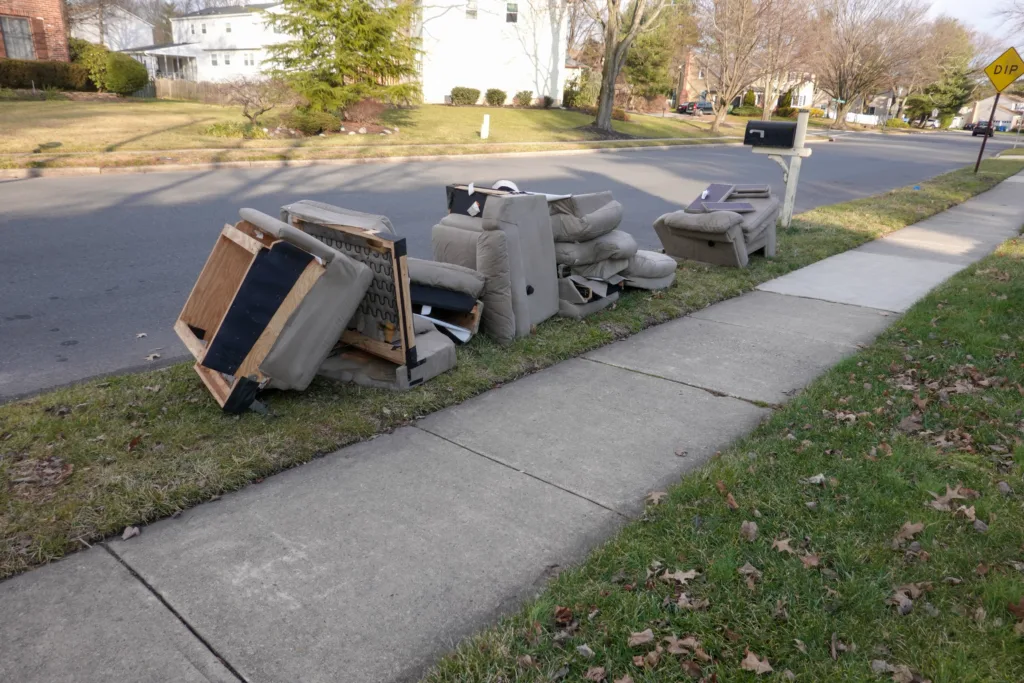
- Broken or heavily damaged furniture
- Old or stained mattresses and box springs
- Hazardous materials like paint, chemicals, or fuel
- Moldy, wet, or pest-infested items
Setting these items aside early helps avoid delays and keeps donation piles clean and organized. Proper disposal ensures safety and compliance with local regulations.
Where to Donate Items During an Estate Cleanout in Upper Makefield
Once you’ve sorted donation-ready items, the next step is finding the right place to drop them off. Understanding what items can be donated during estate cleanouts also helps you match items with organizations that can use them best.
Donation options often include:
- Local charities and nonprofit organizations
- Thrift stores that support community programs
- Dedicated donation centers serving the Upper Makefield area
Some organizations offer scheduled drop-offs, while others may provide limited pickup options. Planning donation logistics ahead of time can prevent last-minute stress and keep your cleanout timeline on track.
How an Estate Cleanout Service in Upper Makefield Can Help with Donations
Sorting, lifting, and transporting donations can be time-consuming—especially during an emotional estate cleanout. That’s where Clean Estates comes in. Our team understands what items can be donated during estate cleanouts and helps families handle the entire process with care, efficiency, and respect.
From identifying donation-worthy items to coordinating drop-offs and responsibly removing everything else, we take the burden off your shoulders. If you’re facing an estate cleanout and want a team that treats your home—and your situation—with professionalism and compassion, Clean Estates is here to help.
Call Clean Estates today to schedule your estate cleanout consultation and let us help you clear space, reduce stress, and make the process simpler from start to finish.