
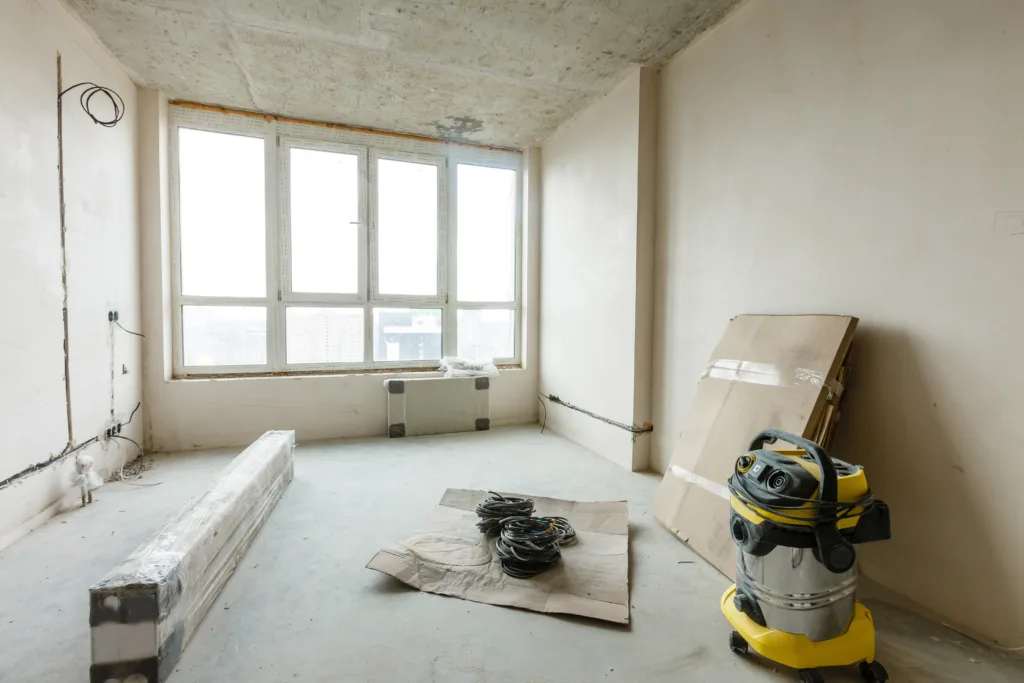
Managing a property after a major life transition can feel overwhelming—especially when repairs are involved. Whether you’re an executor, heir, or family member preparing a home for sale, knowing where to start is often the hardest part. That’s where a clear estate repair checklist becomes essential. With the right plan, you can prioritize repairs, avoid costly mistakes, and move forward with confidence.
This guide walks you through a practical, easy-to-follow estate repair checklist designed for people who don’t work in construction or property management. Along the way, you’ll learn when to handle repairs yourself, when to call for help, and how Clean Estates Property Management supports families through every stage of the process.
Why an Estate Repair Checklist Matters After a Life Transition
When someone inherits or manages an estate property, repairs often pile up faster than expected. Deferred maintenance, outdated systems, and minor damage can quietly reduce property value. Without an estate repair checklist, it’s easy to miss important issues or spend money on the wrong fixes.
A structured approach helps you:
Identify safety and code concerns early
Plan realistic timelines and budgets
Prepare the home for listing, rental, or transfer
Reduce stress during an already emotional time
Using a reliable estate repair checklist ensures repairs are handled thoughtfully, not reactively.
Step 1: Start With Safety and Structural Repairs
Every estate repair checklist should begin with safety. These repairs protect future occupants, contractors, and potential buyers while reducing liability.
Key safety-related property repair items include:
Roof damage, leaks, or missing shingles
Electrical hazards such as exposed wiring or outdated panels
Plumbing leaks, water damage, or mold concerns
Foundation cracks or uneven floors
Broken stairs, railings, or walkways
Addressing these items early prevents small problems from turning into expensive emergencies. Many families seek estate repair services at this stage to ensure nothing critical is overlooked.
Step 2: Assess Mechanical Systems and Utilities
Once the home is structurally sound, the next step in your estate repair checklist is evaluating major systems. Buyers and inspectors focus heavily on these areas.
Review:
HVAC systems for age, function, and maintenance history
Water heaters and plumbing lines
Electrical panels, outlets, and lighting
Sump pumps, well systems, or septic systems (if applicable)
If systems are outdated but functional, you may not need full replacement. Strategic property repair decisions can balance cost with return, especially when planning estate repair before sale.
Step 3: Address Interior Wear and Cosmetic Repairs
Cosmetic updates play a major role in how a property is perceived. While they don’t always affect safety, they do influence value and buyer confidence.
Common interior items on an estate repair checklist include:
Patching holes and repairing drywall
Repainting walls with neutral colors
Fixing damaged flooring or loose tiles
Repairing cabinets, doors, and trim
Updating broken fixtures or hardware
This stage is where many families underestimate the workload. Coordinating contractors, sourcing materials, and managing timelines can quickly become overwhelming without assistance with house repairs.
Step 4: Don’t Overlook Exterior and Curb Appeal Repairs
Exterior conditions are often the first thing buyers notice. Your estate repair checklist should always include outdoor areas.
Important exterior property repair tasks:
Power washing siding and walkways
Repairing fences, decks, and steps
Addressing drainage or grading issues
Removing debris, clutter, or abandoned structures
Basic landscaping and yard cleanup
In many cases, estate repair services are bundled with cleanouts and hauling to streamline the process and reduce delays.
Step 5: Decide What to Fix Before Selling—and What to Leave
One of the most common questions families ask is how much estate repair before sale is truly necessary. Not every repair delivers a return, and overspending can slow down the process.
A smart estate repair checklist focuses on:
Safety and inspection-related issues
Repairs that improve buyer confidence
Cost-effective updates with visible impact
Cosmetic perfection isn’t required. Buyers often prefer a well-maintained home over one that’s been overly renovated. Professional guidance helps prioritize what matters most.
Step 6: Understand When to Bring in Professional Help
DIY repairs may seem appealing, but estate properties often involve scale, complexity, and time constraints. Knowing when to seek assistance with house repairs can save money and stress in the long run.
Professional estate repair services are especially helpful when:
Multiple trades are required
The property is vacant or out of state
You’re working under probate or legal timelines
Emotional attachment makes decision-making difficult
Clean Estates Property Management specializes in coordinating repairs, cleanouts, and preparation so families don’t have to manage everything alone.
Step 7: Coordinate Repairs With Cleanouts and Transitions
Repairs don’t happen in isolation. Furniture removal, donation sorting, debris hauling, and minor demolition often go hand-in-hand with property repair work.
An effective estate repair checklist accounts for:
Removing clutter before repairs begin
Scheduling demolition before cosmetic updates
Cleaning thoroughly after repairs are complete
This integrated approach reduces delays and ensures each stage supports the next—something many families struggle to coordinate without support.
How Clean Estates Property Management Simplifies Estate Repairs
Clean Estates Property Management was built to help families navigate exactly these situations. Our team understands that estate repairs aren’t just about fixing houses—they’re about supporting people during transitions.
We provide:
Clear guidance using a proven estate repair checklist
Trusted property repair coordination
Reliable estate repair services tailored to your timeline
Compassionate assistance with house repairs and cleanouts
As a locally owned company serving Philadelphia, Bucks County, Montgomery County, and surrounding areas, we bring neighborhood-level care with professional execution.
A Clear Plan Makes All the Difference
An estate repair checklist gives structure during an uncertain time. It helps you focus on what matters, avoid unnecessary expenses, and move forward with clarity. Whether you’re preparing a home for sale, managing an inherited property, or closing out an estate, the right plan—and the right partner—can make all the difference.
Clean Estates Property Management is here to guide you through every repair, decision, and transition with respect, speed, and professionalism. When you’re ready for support that feels personal—not corporate—you don’t have to handle estate repairs alone.