
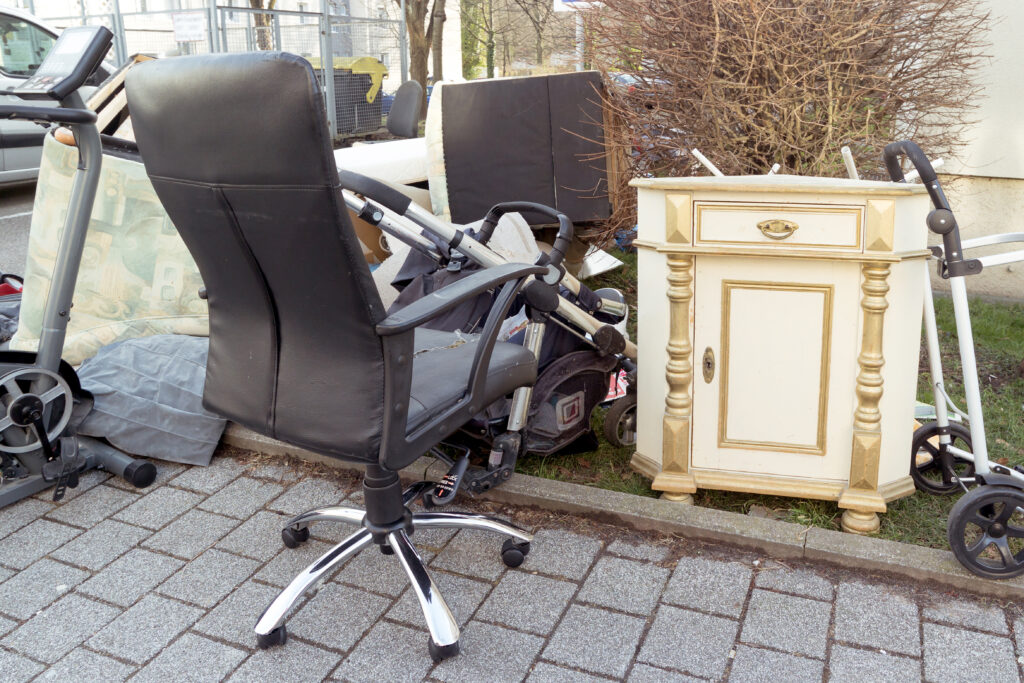
Losing a loved one is never easy—and dealing with what’s left behind can feel even harder. Beyond the grief, you’re suddenly faced with a home full of memories, furniture, keepsakes, and everyday items that all need to be sorted through. It can be emotionally draining, time-consuming, and logistically challenging.
If you’re unsure where to begin, this guide will walk you through what to do with house contents when someone dies—step by step—with compassion and clarity.
What to Do With House Contents When Someone Dies
Start With Understanding What You’re Dealing With
Every home tells a story. Before you start sorting or removing items, take a moment to understand what’s inside the property.
- Personal belongings: Clothes, jewelry, keepsakes, photos
- Household items: Furniture, appliances, décor
- Paperwork: Legal documents, bills, financial records
- Sentimental items: Family heirlooms, letters, mementos
Create an inventory list, or even just take photos as you walk through. This helps you organize your thoughts and avoid feeling overwhelmed later.
Handle Legal and Financial Responsibilities First
Before donating or discarding anything, confirm whether the estate is under probate. Probate is the legal process that ensures the deceased person’s will is executed properly. During this period, certain assets and belongings might need to be appraised or retained until everything is settled legally.
If you’re unsure:
- Contact the executor of the estate.
- Consult with an estate attorney.
- Review the will carefully before removing property.
Doing this early prevents complications later, especially if other family members or beneficiaries are involved.
Prioritize Sentimental and Valuable Items
Once you’re legally clear to begin sorting, start by identifying what’s meaningful or valuable.
Ask yourself:
- Which items hold family memories?
- Are there antiques, collectibles, or jewelry worth appraising?
- Are there items other family members may want?
It’s helpful to gather siblings or close relatives for a shared discussion or sorting day. Labeling items with sticky notes or using color-coded bins (Keep, Donate, Sell, Discard) can make the process smoother and less stressful.
Plan for Donations and Sustainable Disposal
When you’ve identified what to keep, the next step is deciding where the rest will go.
Many families find comfort in donating their loved one’s items to organizations that do good in their community. Local shelters, veterans’ groups, and thrift stores often accept furniture, clothing, and household goods.
You can also:
- Donate medical equipment to charities.
- Offer books to local libraries.
- Recycle or responsibly dispose of unusable items.
Choosing donation over disposal can give meaningful items a second life while reducing landfill waste.
When Grief and Logistics Collide: Asking for Help
Sorting through an estate can take weeks or months, especially when emotions are high. It’s okay to ask for help. Some families bring in friends or hire professionals to assist with cleanouts, packing, and donation drop-offs.
Professional estate cleanout companies can manage everything from sorting to hauling—respectfully and efficiently—so families can focus on what truly matters: healing and remembering.
Managing Large Items and Home Prep
Once the smaller personal items are handled, you’ll likely still need to deal with larger household pieces—furniture, mattresses, appliances, and more.
If the home will be sold or rented out, you may also need to:
- Remove old carpeting or damaged fixtures
- Clean out garages, basements, and sheds
- Clear debris from renovations or repairs
Tackling these tasks strategically—starting from one room at a time—helps keep the process organized and less overwhelming.
How to Cope Emotionally During the Process
Grief has no schedule. Sorting through a loved one’s belongings can reopen wounds, especially when you uncover sentimental objects. Give yourself permission to pause.
Some helpful ways to manage emotions:
- Take breaks often.
- Keep a few meaningful keepsakes.
- Play music your loved one enjoyed.
- Journal or talk through memories as you go.
It’s not just about cleaning a house—it’s about honoring a life.
Where to Find Trustworthy Help Near You
If you live in or around Philadelphia, Bucks County, Montgomery County, or Mercer County, NJ, and you’re facing the difficult task of clearing out a loved one’s home, Clean Estates can help.
We specialize in full-home cleanouts, junk removal, and estate management—done with care, respect, and zero judgment. Our local, insured team handles the heavy lifting, donation coordination, and removal so you don’t have to.
When life feels heavy, you can count on us to lighten the load.